Lawn Mowing in Chingford

Keeping a lawn tidy is not only a matter of appearance; it also affects how evenly grass grows, how manageable the garden feels and how well the space responds to ongoing care. Our lawn mowing in Chingford focuses on clean, even cutting, sensible finishing and the practical upkeep that helps domestic and shared outdoor areas stay presentable. We handle routine mowing as part of a broader approach to garden maintenance, with attention to the details that make the result look deliberate rather than rushed.
For many properties, the service is about more than a quick pass with a mower. Borders, edges, access routes and the condition of the grass all influence the final result. We can work around established planting, awkward corners and different grass lengths, while keeping the cut consistent with the condition of the lawn. Regular mowing helps reduce the uneven look that can build up when growth is left too long, and it also makes later maintenance easier to manage.
If you are comparing options, start with the areas that matter most to you: the frequency of visits, the finish you want and any additional tasks that should sit alongside mowing. You can request a quotation once you have a clear idea of the work required, and if you want to discuss wider garden care as well, look at our service pages before making a decision.
Routine mowing and lawn finishing

Regular mowing is the core of the service, but the best result usually depends on how the lawn is approached from one visit to the next. Cutting height, grass length and access all influence the finish, particularly where a garden includes narrow runs, angled edges or areas close to beds and paving. We aim for a neat, even appearance that suits the lawn’s current condition rather than forcing a one-size-fits-all approach.
Good lawn finishing often includes attention to the edges that a mower cannot fully reach. That may involve tidying along borders, around obstacles and near paths so the overall look feels complete. Where suitable, we can combine mowing with other garden maintenance tasks to keep the lawn and surrounding areas in step. If you are looking for a broader package, our garden maintenance service may be a useful place to compare the type of ongoing care you need.
Before work begins, it helps to think about a few practical points: the size of the lawn, whether access is straightforward, and whether there are sections that need extra care around planting or garden features. These details help shape a quotation and make it easier to match the work to the property. Share the main priorities first, then mention anything that affects cutting or access so the service can be set out clearly.
What our lawn mowing service covers
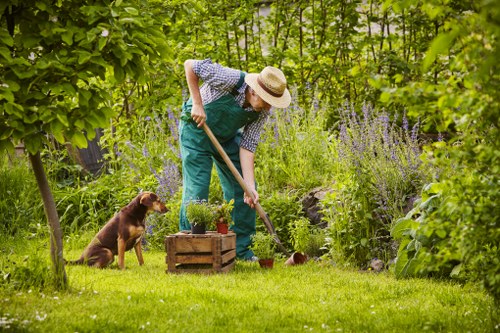
The service is centred on grass cutting, but that can include several useful elements depending on the layout of the garden and the level of finish you want. It may involve mowing the main lawn area, trimming along the boundaries, and ensuring the cut is even across the space. Where grass has grown a little longer, the work may need to be carried out with more care so the finish remains tidy and the lawn is not cut too aggressively in one pass.
Many customers also want help keeping the edges in proportion to the rest of the garden. That can mean dealing with the places that collect an untidy fringe, such as around sheds, fences, paved runs and planting beds. If your outdoor space also needs thicker growth reduced or awkward corners cleared before mowing can be done properly, our garden clearance page explains a related service that can sit alongside routine cutting.
Typical decisions usually come down to how much of the garden should be included, whether cuttings need removing, and whether the emphasis is on a basic tidy or a more refined finish. A clear brief helps avoid confusion, especially where a lawn includes different surfaces, patchy growth or sections that are more exposed than others. When you are ready, ask for a quotation and describe the areas you want included.
Hedges, borders and the spaces around the lawn

A well-cut lawn often looks better when the surrounding edges are managed with equal care. Overgrown borders, uneven hedge lines and encroaching branches can all interrupt the clean outline of a garden, even when the grass itself has been cut neatly. That is why lawn mowing can sometimes be most effective when it is considered alongside other light garden work, rather than in isolation.
If your garden needs the boundary growth reduced so the lawn can be maintained more easily, our hedge trimming service may be relevant. Where taller growth, small trees or awkward overhangs affect access or the finish, it may also be useful to review the scope of tree lopping and removal. These services are not the same as mowing, but they can support a cleaner result when the garden has become harder to keep under control.
Good planning matters in gardens with mixed planting, decorative features or limited space around the lawn. A mower can only produce a consistent finish if there is enough room to work safely and sensibly. That is why a quotation is easiest to prepare when the key elements are clear: the grass areas, the edges, any awkward obstructions and whether additional cutting work is needed elsewhere in the garden.
How the service suits different lawn conditions
Not every lawn needs the same treatment. Some are small and straightforward, needing only a tidy cut to keep them presentable, while others include uneven growth, narrow strips, sloping sections or edges that need slower handling. We adapt the mowing approach to the site rather than assuming every garden should be treated in the same way. That helps avoid a rushed result and makes it easier to keep the lawn looking balanced.
On lawns that have been left longer, the priority is usually to bring the length down sensibly and leave a finish that still looks ordered. On better-kept grass, the focus may be on maintaining shape, sharpening the appearance of the edges and keeping the whole area uniform. If the work also forms part of a broader tidy-up, a fuller services overview can help you compare how mowing sits alongside the rest of the garden work available.
For many customers, the main decision is not whether the grass should be cut, but how the service should be structured around the rest of the garden. Regular upkeep is often the simplest option when the lawn is already manageable, whereas more detailed attention may be helpful after a period of rapid growth or when the garden has several competing features. Either way, clear instructions make the work easier to quote for accurately.
Preparing a quotation for lawn mowing

A quotation is normally shaped by the size and condition of the lawn, access to the garden, and whether any extra tidying is needed around the cut. If there are multiple grass sections, unusual layouts or areas that are difficult to reach, those details help define the work more precisely. It is also useful to say whether you want a one-off visit or an ongoing arrangement, because the scope can change between the two.
To keep the enquiry straightforward, it helps to note the main features of the job in one message: the rough lawn size, any obstacles, whether the garden is open or enclosed, and whether there are related tasks to consider. You do not need to over-explain every corner, but the more accurately the property is described, the easier it is to set out the work. If you want to compare costs for different service levels, our pricing and quotes page is a sensible next step.
For a quick response, send the key details together and be clear about what you want included. That could be mowing only, mowing with edging, or mowing as part of wider garden upkeep. Once the brief is clear, it is easier to request the right quotation and move forward with confidence.
Garden maintenance that supports a better lawn finish
Lawn mowing often works best as part of an ongoing maintenance routine. Grass changes quickly through the growing season, and a lawn that is cut regularly tends to be easier to keep even, tidy and usable. Our garden maintenance work can sit around mowing so the lawn is not left looking sharp while the surrounding areas drift out of step. That creates a more balanced overall appearance across the garden.
Some customers prefer to combine mowing with light upkeep elsewhere, such as trimming back soft growth, removing minor clutter from paths or keeping access points clear enough for the lawn to be reached properly. Where the garden needs more substantial tidying before mowing can be practical, you may also want to review garden maintenance alongside the specific mowing service. The aim is to keep the work sensible, proportionate and suited to the space.
When deciding how often a lawn should be cut, the most useful factors are growth rate, weather exposure and the level of finish you expect. A garden that grows quickly usually benefits from more regular attention, while a quieter space may only need periodic mowing to stay respectable. Consistency is often easier to manage than waiting until the grass has become difficult to cut cleanly.
About Chingford
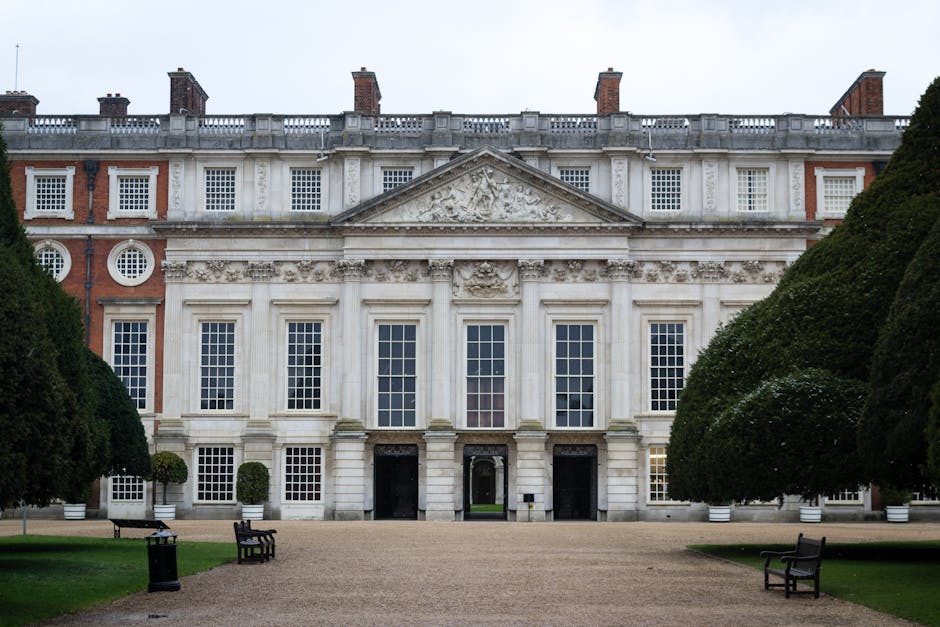
Chingford is a district in north-east London, within the London Borough of Waltham Forest, and it sits close to the edge of Epping Forest. The area is known for the contrast between its suburban streets and the extensive woodland landscape that lies nearby, giving it a setting that feels connected to both the capital and the open green spaces beyond it. Queen Elizabeth’s Hunting Lodge, built in 1543 for Henry VIII, remains one of the most recognisable historic buildings in the area and reflects the district’s long association with royal hunting. Chingford has also developed around a network of local centres, transport links and residential neighbourhoods that grew significantly during the nineteenth and twentieth centuries. The railway helped shape its modern identity, with Chingford station opening in 1873 and later becoming part of the London Overground network. The district includes access points to Epping Forest, which has long been valued for walking, wildlife and recreation, while local parks and open spaces add to the amount of greenery within the wider area. Chingford is divided into a mix of older and newer housing, and its streets show a range of architectural styles from Victorian and interwar development to later suburban building. That layered character, together with the forest edge and the historic lodge, gives the place a distinctive identity within outer London.
Keeping lawns tidy through the growing season
Grass does not stay still for long, especially in periods of faster growth, so lawn care works best when the cutting pattern matches the season. A lawn that is mown too infrequently can become more uneven, while very frequent cutting without attention to condition may not suit every garden either. The practical aim is to keep the grass healthy-looking and well proportioned for the space it occupies.
Our approach is designed to support that balance. Where a garden has a simple layout, the mowing may be straightforward and regular. Where there are irregular edges, sloping sections or decorative features nearby, the work benefits from a slower, more careful method. If you also need surface and boundary work beyond mowing, our landscape gardening page is useful for understanding the kind of broader improvements that can accompany a cleaner lawn.
Good mowing is usually most noticeable in the details: the line at the edge, the smoothness of the cut, and the way the lawn sits with the rest of the garden. Those smaller points are what turn a basic cut into a proper finish. If that is the result you want, it is worth setting out the brief clearly from the start.
Related outdoor work when the garden needs more than mowing
Some gardens need more than routine lawn cutting to look properly managed. If branches, woody growth or neglected planting are affecting the line of the lawn, wider outdoor work may be needed before the grass can be maintained effectively. In those cases, mowing is still important, but it becomes part of a broader sequence rather than the only task. That keeps the final result more coherent and avoids working around preventable obstacles.
Where larger changes are needed, our landscaping page covers the kind of structural garden work that can sit beyond routine upkeep. For properties that need timber features such as terraces or decked areas brought into the wider garden layout, decking services may also be relevant. These pages are helpful if the lawn is only one part of a bigger outdoor plan and you want to compare the options sensibly.
Some customers prefer to deal with the practical issues first and then return to mowing as part of a lighter ongoing routine. That sequence can make sense when the garden has become difficult to keep on top of. One clear scope is better than trying to combine too many jobs into a single vague request, especially when you want an accurate quotation.
Getting started with a lawn mowing quotation
If you are ready to arrange lawn mowing in Chingford, the simplest starting point is to set out what needs cutting and whether you want any additional tidying around the edges. That gives a better basis for a quotation than a general request alone. It also helps to mention whether the work is one-off or recurring, because the shape of the service can be different depending on the garden’s condition and your preferred level of upkeep.
For broader information about the business and the services available, you can review the main site pages and then decide what best fits your garden. If you want to move straight to the next step, the final contact us page is the place to send your enquiry and request a quotation. A clear message with the main details will make it easier to respond in a useful way.
Whatever the size of the lawn, a tidy result usually comes from the same principles: clear scope, suitable cutting, sensible finishing and a realistic plan for ongoing care. Request a quotation when you are ready, and include the details that matter most so the work can be set out properly.