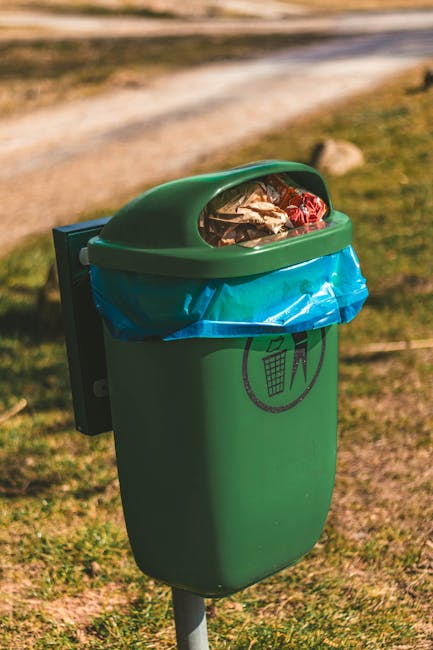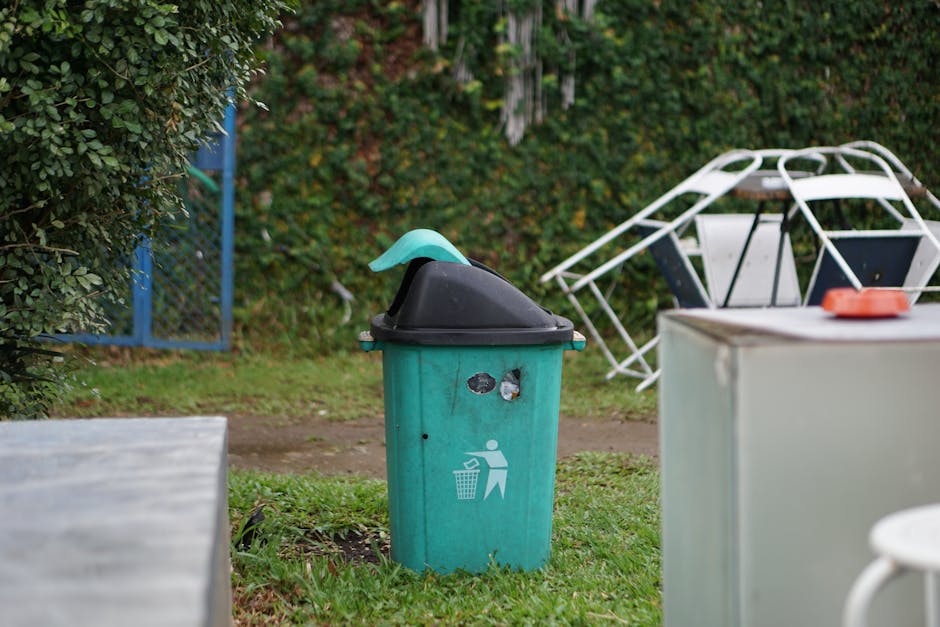
Waltham Forest Council rules for garden waste disposal Chingford: a practical local guide
If you have ever stood in the garden with a pile of cuttings, hedge trimmings, and a bag of soggy leaves, you will know the question that follows pretty quickly: what actually counts as garden waste, and how do Waltham Forest Council rules for garden waste disposal Chingford apply in real life? It sounds straightforward, but once you mix in bins, recycling rules, overgrown shrubs, and the odd broken pot, it can become a bit of a muddle. This guide breaks it down in plain English so you can handle garden waste properly, avoid common mistakes, and keep your outdoor space tidy without creating extra hassle.
Whether you are clearing a small front garden, sorting out the aftermath of a weekend prune, or planning a larger tidy-up, the basics are the same: know what can go where, separate materials sensibly, and use the right route for anything that does not belong in a garden waste stream. If you need help with the physical side of the job, our garden clearance service and regular garden maintenance can make the whole process far less stressful.
- Why the rules matter
- How garden waste disposal works
- Benefits of getting it right
- Who this guidance is for
- Step-by-step guidance
- Expert tips
- Common mistakes to avoid
- Tools and resources
- Compliance and best practice
- Options and comparison
- Real-world example
- Practical checklist
- Conclusion
- Frequently asked questions
Why Waltham Forest Council rules for garden waste disposal Chingford Matters
Garden waste is one of those things that looks harmless until it is left in the wrong place, in the wrong bin, or mixed with the wrong materials. In a place like Chingford, where many homes have compact gardens, shared access, or limited storage for bins and bags, the practical side matters as much as the rule itself. The council's approach is there to help green waste be handled responsibly, not to make life awkward. But, let's face it, a rule only helps if people understand what it means on the ground.
Using the right disposal method helps prevent contamination of recycling streams, reduces mess, and can save you from having to re-sort waste later. It also matters for local service reliability. If a collection crew finds mixed waste in what should be a garden waste container, that can lead to rejection or delays. Nobody wants a half-cleared pile sitting in the rain for another week. Been there? Most gardeners have.
There is also a broader environmental reason. Properly separated green waste can usually be processed more efficiently than a mixed load. That means fewer unnecessary journeys, less landfill pressure, and better resource recovery overall. If you care about keeping your garden tidy and doing the right thing, it all starts here.
How Waltham Forest Council rules for garden waste disposal Chingford Works
At a practical level, garden waste disposal usually comes down to a few common routes: a council collection service where available, home composting, and responsible removal of larger or mixed garden materials through a clearance process. The exact service arrangements can change, so the safest habit is to check the council's current instructions before you put anything out. That sounds obvious, but people often rely on memory from last spring and miss a small rule change. A tiny thing, then suddenly a whole bin is wrong.
Garden waste normally includes organic material from routine garden work, such as grass cuttings, hedge trimmings, leaves, weeds, and small prunings. Bigger woody items, roots, thick branches, soil, stones, rubble, and treated timber are often handled differently. If you are tackling a deeper tidy-up, the split between true green waste and general garden debris is where most confusion begins.
In Chingford, households also tend to think in terms of convenience. What is easiest to store? What is easiest to move? What will actually be accepted on collection day? That is where a structured approach helps. If you are already planning a bigger outdoor refresh, pairing waste removal with services such as lawn mowing, hedge trimming, or even tree lopping and removal can make the workload easier to manage and reduce repeated piles of waste appearing in stages.
What usually counts as garden waste
Although local collection rules can be specific, the following materials are commonly treated as garden waste or green waste:
- Grass cuttings
- Leaves and small weeds
- Hedge clippings
- Small branches and prunings
- Flowers and plant material
- Uncontaminated soil attached to roots in small amounts, where accepted
Anything beyond that starts to need closer checking. If the material is bulky, heavy, mixed with other waste, or potentially hazardous, treat it cautiously rather than assuming it belongs in the same stream.
What usually does not belong in garden waste
Common items that often cause problems include:
- Plastics, plant pots, trays, and ties
- Soil in large quantities
- Rocks, bricks, concrete, or paving debris
- Pressure-treated timber or fencing offcuts
- Food waste mixed into garden bags
- Metal fixtures, wire, or broken tools
Mixing these in with green waste is one of the quickest ways to create avoidable issues. It is a bit like putting muddy boots into the washing machine with a white shirt. Technically possible? Not a good idea.
Key Benefits and Practical Advantages
Following the council's garden waste guidance properly is not just about avoiding a problem. It gives you a few very real practical benefits. First, it helps keep your garden routine predictable. You know what to put aside, what to bag, and what needs separate handling. That saves time when you are already in the middle of pruning or cutting back overgrowth.
Second, it reduces the chance of rejected waste. If you have ever had to re-open a stack of bags because one contained the wrong thing, you will know how annoying that is. The smell alone on a warm afternoon can be enough to make you rethink your weekend plans. A sensible sorting habit avoids that.
Third, it supports a cleaner finish. A garden only really looks tidy when the waste is gone too. That is one reason many homeowners bundle proper disposal with routine services like garden maintenance or fuller outdoor work through garden clearance. It is not just about the cut itself; it is about the last step, the part that leaves everything looking finished.
Practical takeaway: the more carefully you sort green waste from general rubbish, the easier every future garden job becomes.
Who This Is For and When It Makes Sense
This guidance is useful for a wide range of Chingford residents, not just keen gardeners. If you have a small patch of lawn and a hedge that grows faster than expected, it matters. If you manage a larger family garden with seasonal clear-outs, it matters even more. And if you are preparing a garden for sale or a tenancy handover, you really do not want disposal problems slowing things down.
It also makes sense for landlords, property managers, and anyone looking after a shared outdoor area. In those situations, waste accumulates faster than people expect. One person's "just a couple of clippings" becomes a full-size pile surprisingly quickly. In our experience, shared gardens often need clearer habits than private ones, because nobody is entirely sure who left what.
You may also need this if you are considering a landscaping change. A small redesign often means lifting old turf, trimming back overgrowth, and removing dead material before the new layout can begin. If that is your project, then the disposal side should be planned at the same time, not as an afterthought. Services such as landscape gardening or landscaping can be especially helpful when the garden needs both structure and cleanup.
Step-by-Step Guidance
If you want a straightforward way to deal with garden waste in line with local expectations, follow this sequence. It keeps the job tidy and reduces the odds of making a mistake halfway through.
- Separate the waste as you go. Put green waste, woody waste, and non-garden debris into different piles from the start. Do not wait until the end when everything is already mixed and muddy.
- Check what the council currently accepts. Councils can be quite specific about container types, accepted materials, and presentation rules. A quick check now beats a rejected collection later.
- Reduce bulky material where safe. Cut long stems, break down soft green material, and bundle manageable prunings. If something is too large or awkward, it may need a different route.
- Keep contamination out. Remove pots, ties, labels, plastic bags, and soil clumps where they do not belong. Clean waste is far more likely to be processed correctly.
- Store the waste properly before collection. Keep bags closed, containers tidy, and piles out of the way of footpaths. Wet cuttings can leak and smell if left too long.
- Use the correct disposal method for the waste type. Home composting, council collection, or a clearance service may each suit different material. The trick is matching the method to the waste, not forcing everything into one solution.
- Book extra help when the job is too big. If your waste load has become more than a simple tidy-up, a proper clearance can save time and effort.
A useful way to think about it: start with the waste, not the bin. Once you know what you have, the disposal choice becomes much clearer.
Expert Tips for Better Results
Here is the part people often skip, even though it makes the biggest difference. First, aim to dispose of garden waste soon after cutting. Fresh cuttings are lighter, easier to handle, and less unpleasant than material that has sat around for days turning slimy. In the middle of summer, that can become a bit grim very quickly.
Second, avoid overloading bags. Heavy bags split, and split bags create mess. That sounds obvious until you are on bag number seven and just want the job done. A few smaller loads are often better than one heroic, doomed attempt.
Third, think in layers. Grass, leaves, and soft trimmings are very different from thick stems and branches. If you separate them early, you can decide whether composting, council collection, or clearance is the best route. It also helps if you are planning future maintenance with services such as hedge trimming or lawn mowing, because you can schedule the disposal to match the work rather than scramble afterwards.
Fourth, if you are not sure whether material is clean enough to count as green waste, assume it needs checking. That cautious approach is usually safer than guessing. Finally, keep a small dedicated area in the garden for temporary waste storage. Even a neat corner with one bin and one tarp can make a huge difference. Small thing, big payoff.
Common Mistakes to Avoid
The most common error is mixing garden waste with general household rubbish. It happens all the time: a bag picks up plastic ties, a broken pot gets thrown in with clippings, or a few bits of rubble end up under some leaves. That mix can spoil the whole load. Some people also forget that large amounts of soil are usually handled differently from green cuttings. Soil is heavy, awkward, and often not accepted in normal garden waste arrangements.
Another mistake is assuming all branches are treated the same. Thin prunings and thick woody pieces are not the same job. A branch that looks harmless in the hedge can become a real issue once it is stacked with lighter waste. You may also see people overfill bins or bags because they want to "just get rid of it." Fair enough, but overloaded containers are more likely to tear, tip over, or be refused.
There is also a timing mistake. If you leave waste out too long, especially in wet weather, it becomes heavier and messier. The garden starts to smell like damp mulch, the path gets slippery, and suddenly the tidy-up feels twice as big. Nobody wants that on a Sunday afternoon, frankly.
Tools, Resources and Recommendations
You do not need a huge kit to handle garden waste well. A few practical tools make the job much easier:
- Heavy-duty garden bags for cuttings and leaves
- Tarpaulins to keep piles contained and easy to move
- Pruning shears and loppers for reducing bulky branches
- Wheelbarrow or garden trolley for transporting waste without straining your back
- Gloves to protect against thorns, splinters, and hidden debris
- A compost bin or heap for suitable organic material
For larger clear-outs, it helps to use a team that understands the full picture, not just the cutting side. Our services overview gives a useful picture of how different garden tasks fit together, while recycling and sustainability explains the broader waste-conscious approach behind responsible garden work. If you are comparing options or need to plan the job properly, pricing and quotes can help you think ahead before the garden pile grows any bigger.
And if the issue is more than just waste disposal, it may be worth looking at whether the garden needs a full tidy plus minor improvements. A patch of damaged edging, a tired lawn, or a struggling shrub border often benefits from a more rounded approach. That is where the service journey becomes smoother, less stop-start.
Law, Compliance, Standards, or Best Practice
For garden waste, the main practical rule is simple: follow your local council's current collection and disposal guidance, and do not assume every organic-looking material belongs in the same stream. In UK practice, green waste is usually treated separately from general household waste because it can often be recycled or composted more effectively when kept clean. The exact rules can vary by council, so if you live in Chingford, the safest approach is to use Waltham Forest Council's current instructions as your reference point.
From a best-practice perspective, there are a few principles worth following even when the rules are not spelled out in detail. Keep waste separated by material type. Avoid contaminating green waste with plastics, rubble, or treated timber. Use safe lifting methods when moving heavy bags. And never place anything out for collection if you are unsure whether it meets the service requirements. A quick pause beats a disposal headache later.
There is also a duty of care angle here, in the broad sense of handling waste responsibly. Even for domestic users, it makes sense to think about where waste goes, how it is stored, and whether it could pose a nuisance or safety issue. If you are bringing in help for the work, it is sensible to choose a provider that takes safety and handling seriously. Our health and safety policy and insurance and safety pages explain the kind of standards you should expect from a professional garden service. That kind of reassurance matters, especially when there are heavy bags, tools, or awkward access points involved.
One more thing: if your garden waste includes tree surgery debris, large branches, or other more complex material, it may need a different plan entirely. In those cases, checking the waste type first is not overcautious; it is sensible.
Options, Methods, or Comparison Table
Different disposal methods suit different situations. If you know what you are working with, the choice becomes much simpler. Here is a straightforward comparison.
| Method | Best for | Advantages | Limitations |
|---|---|---|---|
| Home composting | Leaves, grass cuttings, light organic waste | Low cost, environmentally sensible, useful for future soil | Not suitable for everything; needs space and patience |
| Council garden waste collection | Routine green waste that matches local rules | Convenient, familiar, usually straightforward | May have size, container, or material restrictions |
| Professional garden clearance | Large piles, mixed waste, overgrown gardens | Saves time, handles bulky loads, practical for bigger jobs | Requires planning and may cost more than basic disposal |
| Bulk or staged removal | Seasonal cutbacks or redevelopment projects | Flexible, useful for bigger transformations | Needs organisation and temporary storage space |
If you are only dealing with light hedge trimmings and lawn clippings, composting or a standard collection might be enough. If you have brambles, woody waste, turf, and a few odd items mixed together, a clearance route is usually the calmer option. Calmer is good. Less mess, less faff.
Case Study or Real-World Example
Picture a typical Chingford back garden after a busy spring weekend. The hedge has been cut back, the lawn has been scarified, a few dead shrubs have been pulled, and there is a growing pile of green material near the side access. At first glance, it looks manageable. Then you notice there are plastic plant labels, a cracked pot, and a bundle of thicker branches tucked underneath. Suddenly it is not just garden waste anymore.
In a situation like that, the best result usually comes from sorting before disposal. The soft clippings can be kept separate, the woody pieces can be bundled or set aside for a different removal method, and the non-garden bits can be removed entirely. If the load is still too large, a more complete service is the sensible next step. That is exactly where a job built around garden clearance can save a lot of time and backache.
What made the difference in this sort of case was not speed, but order. Once the waste was separated, the whole garden looked better almost immediately. The path was clear, the bins were no longer bursting, and the space felt usable again. A tidy garden has a funny way of making the house feel lighter too. You notice the space, the air, the daylight. It sounds small, but it really does change the feel of the place.
Practical Checklist
Use this checklist before you dispose of garden waste in Chingford:
- Have I separated green waste from household rubbish?
- Have I checked what Waltham Forest Council currently accepts?
- Are there any plastic ties, pots, stones, or metal pieces mixed in?
- Is the waste too heavy, bulky, or wet to move safely?
- Do I need to compost any of it at home instead?
- Would a council collection or professional clearance be more suitable?
- Have I stored the waste neatly so it will not spill or smell?
- Do I need help with hedge cutting, lawn care, or tree work before disposal?
- Is the material likely to be accepted as garden waste, or does it need separate handling?
- Have I planned the disposal before starting the next job?
If you can tick most of those off, you are usually in good shape. If not, no drama - just slow down and sort it first.
Get a free quote today and see how much you can save.
Conclusion
Waltham Forest Council rules for garden waste disposal Chingford are easiest to follow when you treat them as a practical sorting system rather than a hurdle. Separate your green waste, keep contamination out, check the current collection rules, and choose the disposal route that actually suits the material in front of you. That approach saves time, reduces stress, and keeps your garden jobs moving in the right order.
For small tidy-ups, that may mean a simple collection or composting. For larger seasonal clearances, it may mean bringing in professional help so the garden is left properly clean, not just partly done. Either way, the goal is the same: a space that feels cared for, usable, and easy to enjoy again. And honestly, once the waste is gone, the whole garden just breathes a bit better.
When you are ready to make the job easier, start with the waste plan first. The rest tends to follow.
Frequently Asked Questions
What counts as garden waste under Waltham Forest Council rules in Chingford?
Garden waste usually means organic material from normal garden work, such as grass cuttings, leaves, weeds, hedge trimmings, and small prunings. Exact acceptance can vary, so always check the current council guidance before putting anything out.
Can I put soil in my garden waste bin?
Often, large amounts of soil are not accepted with normal garden waste because it is heavy and handled differently. Small traces may be treated differently depending on the service, but do not assume. If in doubt, separate it.
Are branches and twigs allowed in garden waste collections?
Smaller twigs and light prunings are commonly accepted, but thicker branches may need to be cut down or handled separately. If the material is woody and bulky, it is worth checking the collection rules first.
Can I mix hedge trimmings with general rubbish?
No, that is usually a bad idea. Mixed waste can contaminate recycling and garden waste streams. Keep green waste separate so it can be handled properly.
What should I do with plant pots and ties?
Plastic pots, labels, ties, and trays should usually be removed from garden waste and dealt with separately. They are common contaminants, and they make the waste less suitable for processing.
Is home composting better than using the council collection?
It depends on the material and the amount you have. Home composting works well for suitable soft green waste, while council collection is more convenient for bigger or less manageable loads. Many people use both.
What if I have a very overgrown garden?
If the garden is heavily overgrown, with brambles, thick cuttings, and mixed debris, a full clearance is usually easier than trying to manage it in small bins. That is often the point where professional help makes sense.
How do I avoid garden waste smells in warm weather?
Bag or containerise the waste promptly, keep it out of direct sun where possible, and remove it as soon as you can. Fresh green waste is much easier to manage than material that has been sitting for days.
Can I put lawn clippings in with hedge cuttings?
Usually yes, if they are both clean green waste and the council rules allow it. But if the clippings are wet, heavy, or mixed with soil and plastic, separate them first to avoid contamination and mess.
When should I book professional garden clearance instead of doing it myself?
Book a clearance when the waste is too bulky, the access is awkward, or the job is taking more time than it should. It is also sensible if the area needs more than a simple tidy-up, such as after major pruning or a garden redesign.
Does garden waste disposal include tree cuttings?
Smaller tree prunings may sometimes be treated as garden waste, but larger branches, trunks, or heavier woody material often need separate handling. Tree work can create more waste than people expect, so plan that part early.
How do I keep on top of garden waste through the year?
Regular maintenance is the easiest answer. Short, frequent tidy-ups generate less waste than one huge seasonal clear-out. A steady routine is usually cheaper, calmer, and less physically demanding.
Who can help if I am not sure what disposal method to use?
If you are unsure, it helps to speak with a local garden professional who understands both the clearing and the disposal side. Services such as about us and contact us can help you decide the next sensible step, especially when the garden job is larger than expected.