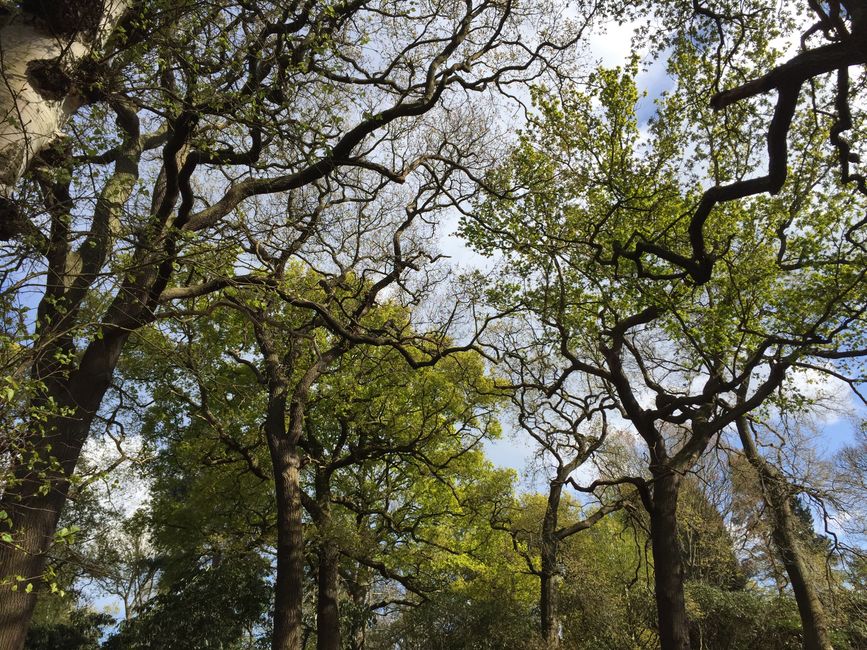
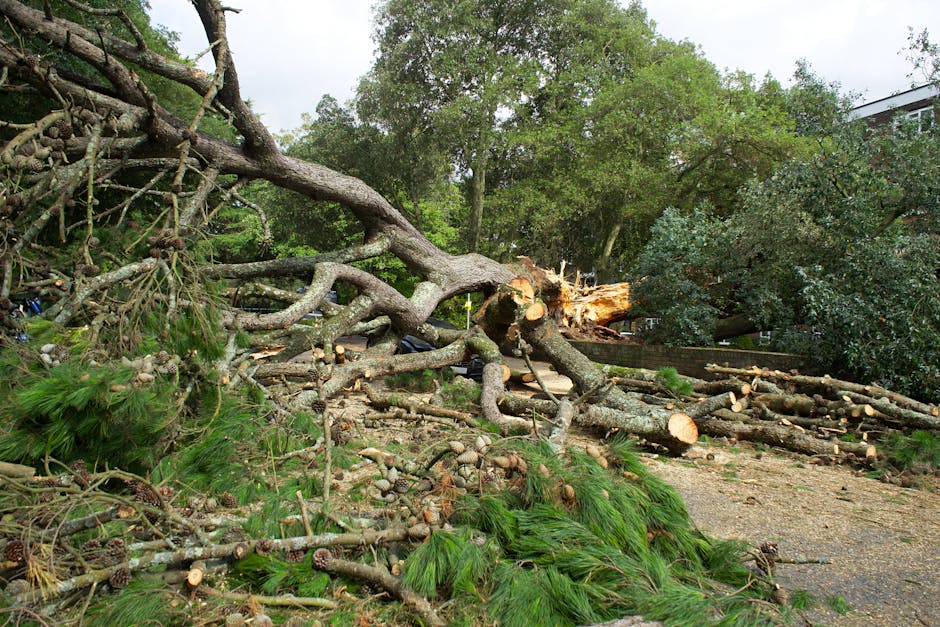
Waltham Forest Council tree work permits for Chingford gardens
If you are planning tree pruning, crown reduction, or removal in a Chingford garden, the paperwork can feel more confusing than the work itself. One minute you are looking at a leaning branch or a messy canopy; the next, you are wondering whether Waltham Forest Council tree work permits for Chingford gardens are needed before anyone picks up a saw. Truth be told, that is a very normal place to start.
This guide explains the process in plain English. You will learn why permissions matter, how tree work decisions are usually made, what can trigger extra checks, and how to plan work without creating avoidable headaches. It also covers practical steps, common mistakes, and a few sensible ways to protect both your garden and your budget. If you are weighing up broader garden care alongside tree work, it can help to look at garden maintenance support and the wider services overview so you can plan the job properly from the start.
Table of Contents
- Why Waltham Forest Council tree work permits for Chingford gardens Matters
- How Waltham Forest Council tree work permits for Chingford gardens Works
- Key Benefits and Practical Advantages
- Who This Is For and When It Makes Sense
- Step-by-Step Guidance
- Expert Tips for Better Results
- Common Mistakes to Avoid
- Tools, Resources and Recommendations
- Law, Compliance, Standards, or Best Practice
- Options, Methods, or Comparison Table
- Case Study or Real-World Example
- Practical Checklist
- Conclusion
- Frequently Asked Questions
Why Waltham Forest Council tree work permits for Chingford gardens Matters
Tree work is not just a gardening task. In many Chingford gardens, a tree may sit close to a boundary, a pavement, a neighbour's fence, or a protected landscape feature. That means the question is rarely only "Can this branch be cut?" More often it becomes "Is this tree protected, and do I need permission first?"
This matters because tree work done without the right checks can lead to complaints, delays, or enforcement trouble. It can also damage a healthy tree when the issue is actually a simple maintenance job that should have been done with care. Let's face it, nobody wants to turn a routine trim into a stressful council conversation.
The key thing to understand is that council involvement usually becomes relevant when a tree is protected by a tree preservation order, sits within a conservation area, or is part of a planning condition. If you are unsure, treat the tree as protected until you know otherwise. That one habit can save you a lot of grief later.
There is also a practical garden angle. A tree that is too large, poorly shaped, or encroaching on light can affect lawn health, hedge growth, and the way you use the whole garden. If you are already thinking about how the rest of the outdoor space works together, it may be worth pairing tree decisions with landscape gardening support so the final result feels balanced, not piecemeal.
Expert summary: the permission question is not a formality to be rushed. It is part of looking after the tree, respecting the local rules, and avoiding expensive mistakes that are easy to prevent.
How Waltham Forest Council tree work permits for Chingford gardens Works
The process is usually simpler than people fear, but it still needs care. First, identify the tree and its location. Then check whether it is protected or tied to planning controls. After that, decide whether the proposed work is routine maintenance, a material change, or removal. Only then should you move to scheduling the job.
In practical terms, a homeowner might spot deadwood after winter, a neighbour may complain about shading, or a branch may be rubbing against a roof. None of those observations automatically mean permission is required, but they do mean the tree should be assessed properly before work starts.
For many gardens, the sensible route is to have the tree inspected by someone who understands both arboricultural practice and local constraints. A qualified tree professional can tell the difference between a minor prune and work that needs more formal consideration. That difference is where people often go wrong.
If the work is straightforward, the task may be planned quickly. If the tree is protected, extra time should be built in for applications or notices. That timing matters, especially if you are trying to coordinate hedge cutting, clearance, or lawn care on the same visit. A joined-up plan often works better than three separate rush jobs.
Chingford gardens can also have mixed layouts: mature trees at the back, newer planting around patios, and practical features like decking or sheds nearby. In those cases, tree work should be considered alongside the garden as a whole. If tree roots, shade, or access are part of the issue, the broader context matters. Sometimes a tree is only one piece of a bigger outdoor maintenance puzzle.
Typical decision points
- Is the tree subject to a preservation order?
- Is the property inside a conservation area?
- Is the work routine maintenance or more significant alteration?
- Could the proposed work affect the tree's health, shape, or public visibility?
- Does the tree form part of a larger garden design or boundary issue?
Key Benefits and Practical Advantages
Getting the permit question right gives you more than just compliance. It gives you clarity, and that is worth a lot when you are standing in the garden wondering what to do with a heavy, overgrown tree.
First, it reduces the chance of costly mistakes. If a tree is protected and work begins too soon, the work may have to stop. In the worst cases, the issue can escalate. A little patience up front is far better than trying to tidy up a legal mess afterwards.
Second, it helps preserve tree health. A permission process, or even a proper pre-check, can encourage the right type of pruning rather than a heavy-handed cut. That is especially important where a tree provides privacy, wildlife value, or shade in a small urban garden.
Third, it improves planning. Once you know what is allowed, you can schedule associated jobs with confidence. For example, if a tree limb is being reduced, you might also arrange hedge trimming, tidy up the borders, or book lawn mowing after the debris has been cleared. Small efficiencies, but they add up.
Fourth, it supports better neighbour relations. Trees are a classic source of friction, especially where shade, leaf fall, or overhanging branches are involved. A transparent process makes it easier to explain what is being done and why. That alone can soften a tense conversation over the fence.
And finally, it often leads to better workmanship. A job that begins with permission awareness and proper planning tends to end with cleaner cuts, safer access, and a tidier result. Not always glamorous, maybe. But proper.
Who This Is For and When It Makes Sense
This topic matters to a wide range of Chingford property owners and garden users. You may be a homeowner trying to manage an established back garden, a landlord keeping a property tidy, or someone preparing a garden for sale or let. You may also be dealing with a tree that suddenly looks too close to the roof after a windy week. It happens.
It makes sense to think about permits and checks when:
- a mature tree is close to the house, boundary, or public path
- you suspect the tree may be protected
- you want crown reduction, pruning, or removal rather than simple light trimming
- there has been recent storm damage
- the tree affects light, access, or another part of the garden layout
- you are planning several outdoor jobs at once and want the sequence right
Commercially, it also matters if you are comparing quotes. A contractor who asks the right questions about permissions is usually doing you a favour, not being awkward. In many cases, that careful approach is a good sign. A rush to "just get it done" is often where trouble starts.
If the tree work is part of a larger refresh, you might also want to consider tree lopping and removal services alongside garden clearance so the whole garden can be left safe and usable afterwards.
Step-by-Step Guidance
Here is a practical way to approach the process without overcomplicating it.
- Identify the tree and the work needed. Be specific. "Needs pruning" is too vague. Is it deadwood removal, shaping, crown thinning, crown reduction, or full removal?
- Check the tree's status. Look for signs it may be protected by a preservation order or affected by local planning controls. If you do not know, assume it might be.
- Assess the urgency. Dead branches, storm damage, or immediate safety risks need different handling from aesthetic shaping. Safety first, always.
- Get a proper opinion. A knowledgeable tree specialist can tell you whether the work is routine, sensitive, or likely to need formal approval.
- Decide the best timing. Some work is best done outside bird nesting season where appropriate, and some should wait for access or weather to improve. In early spring or after a windy spell, the garden can change fast.
- Plan the full job. Think about access, debris removal, and what else needs doing after the tree work. It is often sensible to bundle in maintenance tasks rather than keep reopening the same part of the garden.
- Keep records. Save notes, photos, and any correspondence. If a question comes up later, you will be glad you did.
One small but useful habit: take a few clear photos before any work is agreed. Wide shot, close shot, and one from the house or boundary line. That helps everybody. It's boring admin, admittedly, but it saves misunderstandings.
Expert Tips for Better Results
Good tree work is often about judgement rather than drama. A few practical habits can improve the outcome quite a lot.
Start with the tree, not the tool. People sometimes ask what machine or cut to use before they have defined the problem. Better to ask what the tree needs. Healthy structure, weight reduction, clearance, or safety? That answer should guide the method.
Think about the whole garden. If a tree is casting deep shade over a lawn, the right answer may not be aggressive pruning. Sometimes a more balanced reduction, combined with improved lawn care or layout changes, works better. A strong garden plan can feel calm and practical rather than chopped up.
Match the work to the season. Mid-winter, wet autumn ground, and windy periods can affect access and finish quality. In Chingford, you can feel the difference underfoot after a long wet spell; the soil gets soft, the lawn marks easily, and everybody has to move more carefully.
Use the least disruptive option that solves the problem. This is often a good rule for tree care. If a minor prune will do, do not jump straight to removal. If removal is the only safe route, do not pretend a tidy trim will fix it.
Keep communication simple. Neighbours, contractors, and sometimes the council all need clear information. A concise explanation is usually better than a long, defensive one. Honest and calm goes a long way.
If you are scheduling wider garden work, a coordinated approach can make the property look much better. For example, pairing tree work with ongoing garden maintenance keeps growth under control after the main job is finished.
Common Mistakes to Avoid
The same errors come up again and again. Once you know them, they are much easier to avoid.
- Assuming all tree work is free to start. Even if the tree looks ordinary, it may still be protected or constrained.
- Using vague job descriptions. "Cut it back" can mean very different things to different people.
- Ignoring neighbour impact. A job done without warning can create needless tension, even if the work is sensible.
- Over-pruning. Heavy cuts can stress a tree and leave it looking stripped out for years.
- Leaving debris planning until the end. Branches, leaves, and chips create more mess than many people expect. It is not just a quick sweep, sadly.
- Forgetting access issues. Narrow side passages, sheds, fencing, and parked cars can all affect the job.
- Mixing urgent and non-urgent work. If a branch is dangerous, deal with that first. Aesthetic shaping can wait.
A particularly common mistake is assuming that because a tree is in your garden, you can do whatever you want to it. In reality, trees often carry shared value: for wildlife, streetscape, shade, and property character. That shared value is why checks matter.
Tools, Resources and Recommendations
You do not need a giant toolkit to deal with permit-related tree work well. What you do need is a clear process and a few sensible resources.
Useful things to have ready
- recent photos of the tree from several angles
- the property address and garden layout notes
- a list of the exact work you want done
- any previous tree reports, notices, or planning paperwork
- access notes for side gates, driveways, and hard-to-reach corners
Good service combinations
If the job is part of a broader garden tidy-up, consider whether you also need light landscaping, clean-up work, or finishing tasks. In real gardens, jobs overlap. Tree work can expose old borders, damaged turf, or awkward edges, so it may be worth planning a tidy sequence rather than a one-off cut.
For many properties, the practical support stack looks something like this:
- tree assessment and cutting
- debris removal
- hedge trimming and shaping
- lawn recovery or mowing
- garden clearance where branches and waste are substantial
If you want a service team that can handle the knock-on effects of tree work, it is smart to review the company's approach to health and safety, insurance and safety, and recycling and sustainability. Those pages are not just formalities; they help you see how carefully the work is likely to be managed.
Law, Compliance, Standards, or Best Practice
Tree work in England is shaped by a mix of local controls, planning rules, and general best practice. You do not need to be a legal expert to handle it well, but you do need to respect the fact that some trees are protected and some types of work require notice or consent before they begin.
In simple terms, the safest mindset is this: before any significant pruning or removal, confirm whether the tree is protected, whether a notice or application is needed, and whether there are seasonal or environmental concerns to consider. If bird nesting is possible, for example, work should be approached with extra care and timing should be checked properly. That kind of caution is standard good practice.
Where a tree is protected, the exact process can vary depending on the type of protection and the nature of the work. Because of that, you should avoid shortcuts, even if the job looks simple. A healthy tree can sometimes be managed with careful pruning rather than removal, but only a proper assessment can guide that decision responsibly.
Best practice usually includes:
- checking tree status before any work starts
- documenting the proposed work clearly
- using proportionate pruning rather than severe cutting
- protecting nearby structures, plants, and surfaces
- cleaning up and disposing of waste responsibly
- keeping a record of decisions and photographs
There is also an insurance angle. Tree work can involve height, tools, falling material, and property damage risk. That is why it is wise to use properly insured contractors and ask straightforward questions about how the job will be managed. No drama, just sensible diligence.
Options, Methods, or Comparison Table
When people ask about tree work in Chingford gardens, they are often choosing between three broad approaches: light pruning, more substantial reduction, or removal. The right answer depends on the tree's condition, location, and status.
| Option | Best for | Main benefit | Key caution |
|---|---|---|---|
| Light pruning | Small corrections, deadwood, minor shaping | Least disruptive and often easiest to justify | Can be insufficient if the tree is causing structural or safety issues |
| Crown reduction | Trees that need size or spread controlled | Improves clearance and reduces weight while keeping the tree | Should be done carefully to avoid a harsh, unnatural shape |
| Removal | Unsafe, diseased, or badly positioned trees | Solves a serious problem decisively | May need the highest level of permission checks and can affect the garden's character |
In practice, most homeowners hope for the middle option. That is fair enough. People usually want to keep the tree if they can, but make it liveable. The trick is to avoid treating every issue as a reason for removal. Sometimes the tree can be brought back into balance with careful work and a bit of patience.
Case Study or Real-World Example
A typical Chingford scenario goes like this. A homeowner notices that a mature tree at the bottom of the garden has started hanging over a patio and blocking afternoon light. The tree is healthy, but the canopy is denser than it used to be. A neighbour has also mentioned leaf fall. The first instinct is to ask for a quick trim.
Instead of jumping straight in, the smarter approach is to check whether the tree is protected, then decide whether pruning or crown reduction would be more appropriate. In this kind of case, the outcome may be a careful reduction rather than aggressive cutting. The work can then be combined with cleanup, hedge tidying, and a fresh mow so the whole garden looks settled again.
What usually surprises people is how much difference a measured approach makes. The garden feels lighter, the patio becomes useful again, and the tree still looks like part of the property rather than a problem that has been hacked into submission. That balance is the real win.
And yes, the pile of cuttings can be bigger than expected. It always is, somehow.
Practical Checklist
Use this checklist before agreeing any tree work in a Chingford garden.
- Confirm what the tree work is intended to achieve.
- Check whether the tree might be protected or affected by planning controls.
- Take clear photos from several angles.
- Ask whether the work is routine maintenance, reduction, or removal.
- Consider neighbour boundaries, shade, and access.
- Ask how waste and debris will be removed.
- Check safety, insurance, and site protection arrangements.
- Decide whether other garden tasks should be done at the same time.
- Keep records of any notices, approvals, or advice received.
- Choose the least disruptive solution that genuinely solves the problem.
That list may look simple, but it covers the stuff that usually goes wrong. A few careful checks now often prevent a much bigger mess later.
Conclusion
Waltham Forest Council tree work permits for Chingford gardens are really about doing the right thing in the right order. Check the tree, understand the rules, plan the work properly, and keep the whole garden in mind. If you do that, the process is far less intimidating than it first appears.
Most people do not want to get buried in paperwork. Fair enough. They want a safe, tidy, healthy garden that still feels like theirs. The good news is that careful planning usually gets you there. And once the tree work is handled properly, everything else around it tends to settle more easily too.
If you are comparing next steps, reviewing pricing and quotes can help you see what level of support makes sense for your garden and whether a one-off visit or a more complete tidy-up is better.
Get a free quote today and see how much you can save.
A well-managed garden always feels a little lighter after the hard decisions are made.
Frequently Asked Questions
Do I always need permission for tree work in Chingford?
No. Not every tree requires council permission. The key question is whether the tree is protected, affected by a planning condition, or in a conservation area. If you are unsure, treat it as protected until checked.
What counts as tree work rather than ordinary garden maintenance?
Light trimming of small ornamental planting is usually simple garden maintenance. Anything involving mature trees, significant pruning, crown work, or removal is more likely to need proper checks. The bigger and more established the tree, the more caution you should use.
Can I cut back branches that hang over my fence?
Sometimes, yes, but only with care. Overhanging branches can be a tricky area because the legal and practical situation may not be as simple as people think. It is wise to confirm the tree's status before cutting anything substantial.
What if the tree looks dangerous?
If a tree or branch appears unsafe, deal with the risk first. Photograph the issue, avoid standing directly beneath it, and arrange an assessment quickly. Urgent safety concerns are different from cosmetic pruning, and they should be handled that way.
How long does the permit or approval process take?
That depends on the type of tree, the protection involved, and how complete the information is. Some straightforward situations move quickly, while others need more back-and-forth. Build in time rather than assuming it will be instant.
Can tree work be done in winter?
Often yes, but weather, access, and tree type all matter. Winter can be a sensible time for some work because leaves are down and structure is easier to see. Wet or frozen ground, though, can make the job messier.
What is the difference between pruning and removal?
Pruning reshapes or reduces parts of the tree while keeping it in place. Removal takes the tree out entirely. They are very different decisions, and the level of permission or checking may differ too.
Should I speak to neighbours before starting tree work?
It is usually a very good idea, especially if branches are near a boundary or if access will be shared. A short, calm explanation can prevent awkwardness later. Sometimes that one conversation saves a week of back-and-forth.
What documents should I keep?
Keep photographs, notes of any advice you received, copies of notices or approvals, and the contractor's details. If there is a question later, clear records make life much easier.
Can tree work be combined with other garden jobs?
Yes, and that is often the most efficient option. Many homeowners combine tree work with hedge trimming, lawn care, clearance, or small landscaping improvements so the garden can be reset in one visit rather than several.
Is it better to remove a problematic tree or reduce it?
Neither is automatically better. If the tree is healthy and can be managed safely, reduction may be the better choice. If the tree is unsafe, badly placed, or unsuitable for the space, removal may be justified. The right answer comes from the tree's condition and context.
How do I know if a contractor is the right fit?
Look for clear communication, sensible questions about permissions, and proper attention to safety and waste handling. A contractor who takes time to explain the process is usually a better bet than one who promises to rush through it.